
Renew Your Skin’s Glow: A Simple Guide to Laser Resurfacing
Over time, our skin naturally changes. Sun exposure, stress, and aging can leave behind fine lines, uneven texture, or spots that weren’t there before. While skincare products can help, they often only work on the surface.
That’s why many people explore laser skin resurfacing in Hamilton as a deeper solution. This treatment is designed to refresh the skin by encouraging it to heal and rebuild itself from within.
If the idea sounds technical or intimidating, don’t worry. In reality, it’s easier to understand than it sounds. Think of it as a “reset button” for your skin—helping it repair old damage and reveal fresher layers underneath.
Alongside this, some people also consider supportive treatments like filler in Hamilton to restore facial volume and balance, depending on their goals. But more on that later.
Let’s break everything down in a simple, friendly way.
What Is Laser Skin Resurfacing?
Laser skin resurfacing is a cosmetic treatment that uses focused light energy to improve skin quality. It works in one of two main ways:
1. Gently heating deeper layers of skin to trigger repair
2. Carefully removing damaged outer layers so fresh skin can grow
A helpful way to imagine it is this:
Think of your skin like a worn-out photograph. Over time, it fades and gets scratches. Laser resurfacing is like carefully restoring that photo so the details underneath become clearer again.
The key idea is controlled “tiny injury.” The laser creates very small, precise changes in the skin, which signals the body to start healing and producing new collagen (the protein that keeps skin firm and smooth).
Why People Choose Laser Resurfacing
People consider this treatment for many different reasons, including:
Fine lines and early wrinkles
Sun damage or dark spots
Uneven texture
Acne scars
Dull or tired-looking skin
Unlike surface creams that sit on top of the skin, laser resurfacing works deeper, encouraging real structural improvement over time.
It’s not an instant fix, but a gradual improvement process that unfolds as your skin heals and renews itself.
How the Skin Actually Improves
To understand how this works, imagine your skin as a building with old paint and worn-out walls.
The laser doesn’t just repaint the surface—it helps rebuild parts of the structure underneath.
Once the skin is gently stimulated, it begins producing fresh collagen, which acts like new support beams inside the skin.
As this new support builds up, the skin can look:
Smoother
Firmer
More even in tone
This process takes time, but the changes are often longer-lasting compared to surface-level treatments.
What Happens During a Treatment?
If you’ve never had laser resurfacing before, the experience is usually more comfortable than expected.
Step 1: Consultation
A trained professional checks your skin type and discusses what you want to improve.
Step 2: Preparation
Your skin is cleaned, and a numbing cream may be applied to keep things comfortable.
Step 3: Treatment
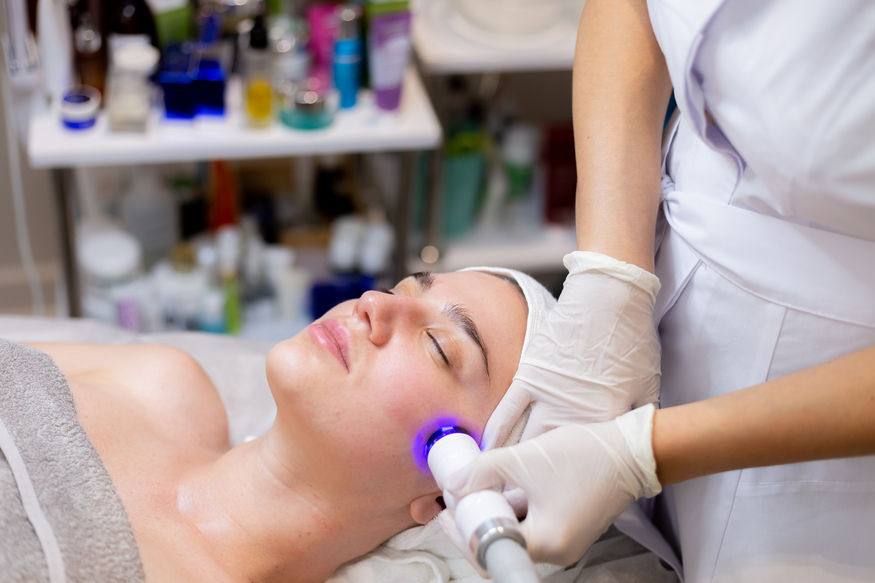
The laser device is passed over the skin in targeted areas. You may feel warmth or a light snapping sensation, similar to a rubber band gently touching the skin.
Step 4: Aftercare
Your skin will need time to recover. Depending on the type of laser used, this may involve redness, light peeling, or mild swelling.
Clinics such as Dr West Aesthetic Medicine typically guide clients carefully through each step so they know exactly what to expect.
Recovery: What It Feels Like After
Healing time depends on how deep the treatment goes. Some versions are very light with little downtime, while stronger ones may take longer to fully recover.
During healing, your skin might feel:
Warm or tight
Slightly rough or dry
Sensitive to sunlight
Think of it like a sunburn followed by peeling—but in a controlled, medical setting. As the old skin sheds, new skin appears underneath.
Protecting your skin from the sun during this time is very important, since fresh skin is more sensitive.
Benefits People Notice Over Time
Laser resurfacing doesn’t change your face—it improves the quality of your skin. Over time, many people notice:
A smoother texture
More even skin tone
Softened fine lines
A brighter, healthier look
Because the treatment works with your body’s natural healing process, results tend to improve gradually over weeks and months.
Is It Right for Everyone?
Most people can benefit from laser resurfacing, but it isn’t a one-size-fits-all treatment.
Skin type, sensitivity, and goals all matter. For example, some skin tones may need gentler settings to reduce the risk of pigmentation changes. This is why professional assessment is important before starting.
A trained provider will decide:
Which type of laser is safest
How intense the treatment should be
Whether multiple sessions are needed
This personalized approach helps reduce risks and improve results.
Where Fillers Fit Into the Bigger Picture
While laser resurfacing focuses on skin texture and tone, some people also explore filler in Hamilton to address volume changes in the face.
Here’s an easy way to understand the difference:
Laser resurfacing improves the “surface quality” of the skin
Fillers restore “shape and fullness” beneath the skin
Think of it like this:
Laser resurfacing is like improving the paint and finish of a wall
Fillers are like restoring the structure underneath it
When used appropriately, these treatments can complement each other, depending on personal goals.
Why Professional Care Matters
Because laser treatments work by creating controlled changes in the skin, experience matters a lot. Proper training helps ensure the treatment is:
Safe for your skin type
Adjusted to your comfort level
Designed for natural-looking improvement
Clinics like Dr West Aesthetic Medicine focus on careful planning and realistic expectations, which helps people feel more confident about their results.
Conclusion
Laser skin resurfacing is a modern way to refresh the skin by encouraging it to naturally repair and renew itself. Instead of covering up imperfections, it helps improve skin quality from the inside out.
When done correctly, it can soften lines, improve texture, and bring back a healthier-looking glow over time. And for those looking to enhance facial balance further, treatments like fillers can sometimes be part of a broader aesthetic plan.


Comments